Choosing a hotel with onsen in Bangkok can add a calm, structured pause to a busy city stay, but first-time guests often have practical questions. Is the bathing area shared or private? Is swimwear permitted? How should hot baths, a sauna and a cold plunge be approached?
This guide explains the difference between an onsen and a sento, outlines general bathing etiquette, and identifies the access and privacy details to confirm before booking. It also shows how a Japanese-inspired bathing experience can fit around sightseeing, business commitments or training without presenting thermal bathing as medical treatment.
What Is The Difference Between An Onsen And A Sento?
In Japan, an onsen is traditionally associated with naturally heated hot spring water, while a sento is a public bathhouse that generally uses ordinary heated water. Both belong to Japanese bathing culture, but they describe different water sources and settings.
Hotels outside Japan may use “Japanese-inspired onsen” or “onsen experience” to describe thermal bathing design and rituals. This does not necessarily mean the water comes from a natural spring. The distinction sets accurate expectations without reducing the value of warm bathing and considerate etiquette.
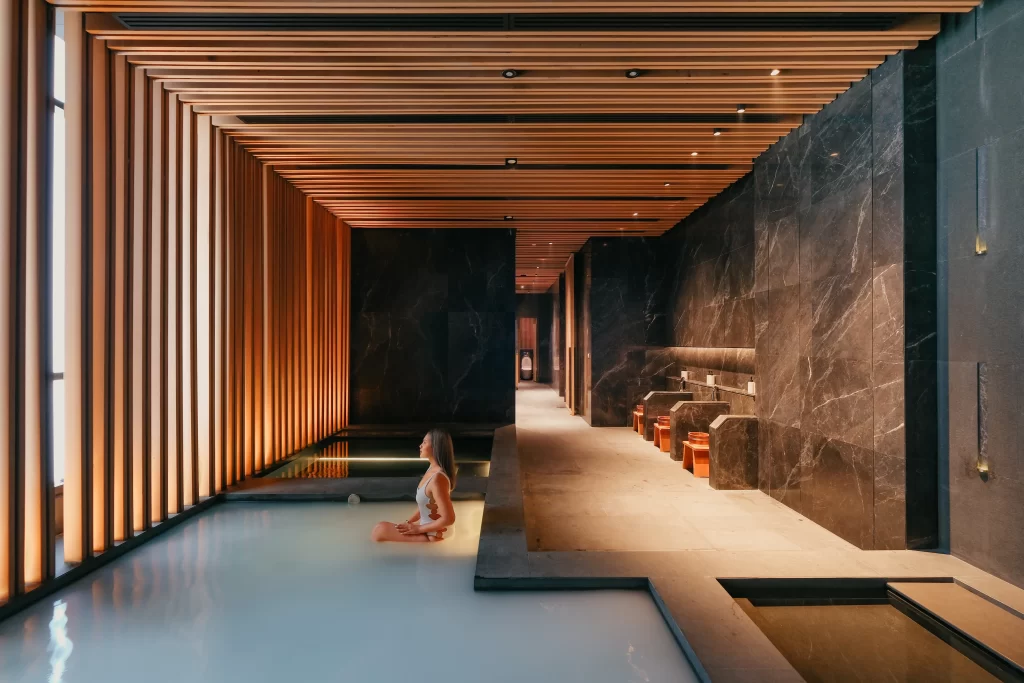
At SILQ Hotel & Residence Bangkok, the facility is named The Qlub Sento and is presented as a Japanese-inspired onsen and sauna experience. SILQ should not be described as using natural hot spring water unless the water source is formally confirmed.
Who Is A Bangkok Hotel With Onsen Best For?
A Bangkok hotel with onsen facilities may suit travellers who want downtime inside their accommodation. Wellness and fitness guests can build bathing into a slower routine, business travellers can pause after meetings, and long-stay guests may value a repeatable relaxation option within the property. Guests staying for several weeks may also want to compare the wider costs, services and facilities of long stay hotels in Bangkok.
Couples and first-time visitors may also enjoy the experience, depending on their comfort with shared bathing and the property’s privacy rules. Thermal bathing is not suitable for every person; guests with health concerns or sensitivities to heat and cold should follow property guidance and seek appropriate advice when needed.
How To Use An Onsen Or Sento For The First Time
Bathing etiquette varies between properties. General Japanese customs provide useful context, but guests should always follow the signs, access conditions and staff instructions at the Bangkok hotel they are visiting.
1. Confirm Access, Privacy And Dress Rules Before Entering
Confirm whether the facility is shared, gender-separated, private or reserved by session. Ask whether access is included and whether swimwear is required, optional or prohibited. Tattoo, age and child policies vary, so do not import assumptions from Japan or assume a private room can be shared without confirmation.
2. Shower Thoroughly Before Using A Shared Bath
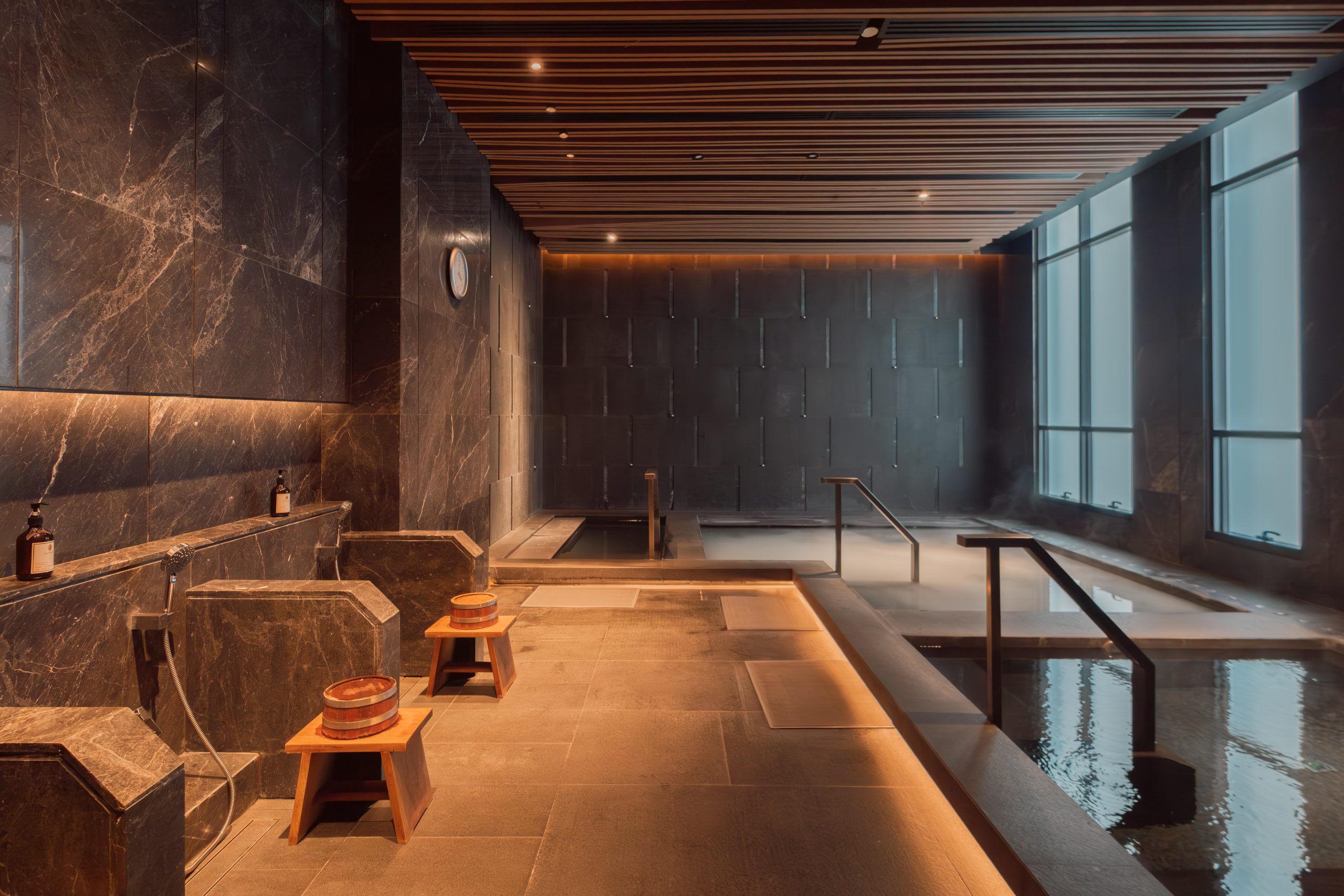
Washing before soaking is a central courtesy because the shared bath is for relaxation rather than personal washing. Use the shower area, soap and shampoo, then rinse completely. The Qlub Sento currently lists spacious showers and bath amenities, but guests with specific requirements should confirm what is provided.
3. Enter Slowly And Start With A Comfortable Soak
Enter a warm bath gradually and allow time to adjust. No universal soak duration suits every guest. Take breaks, avoid treating the session as an endurance test, and leave if you feel dizzy, overheated or unwell.
4. Use The Sauna And Cold Plunge Carefully
Some guests alternate between a warm bath, sauna and cold plunge, but this is not a required sequence. Cold immersion can feel abrupt after heat exposure. Follow posted instructions, enter carefully and stop if uncomfortable rather than copying a generic online protocol.
5. Rest, Rehydrate And Leave The Area Considerate For Others
After bathing, cool down and drink water. Keep conversation quiet, place towels only where instructed and leave shared areas ready for others. The nearby Qlub Lounge can provide a place to sit after a session, subject to current arrangements.
What To Expect At The Qlub Sento At SILQ
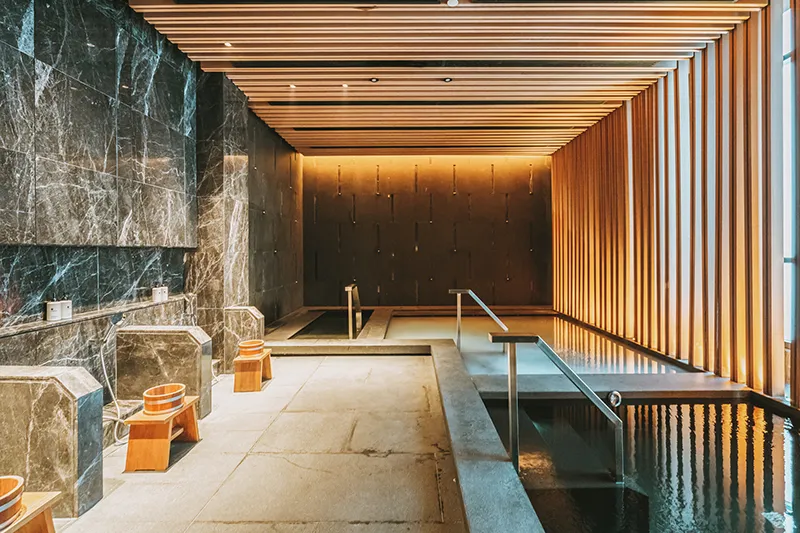
The Qlub Sento sits within SILQ’s eighth-floor wellness environment near the gym, swimming pool, sauna and lounge. SILQ currently publishes three bath temperatures; these figures and operating hours should be reconfirmed before publication.
1. The 40 Degree Hot Bath
Current Published Temperature: 40°C. This is the warmest bathing option and suits guests who prefer stronger heat. Enter gradually and take breaks. Describe the experience as relaxing or suitable for downtime, not as treating pain, improving circulation or guaranteeing recovery.
2. The 38 Degree Ion Bath
Current Published Temperature: 38°C. SILQ presents this as a gentler warm bath for guests who prefer less intense heat. Avoid claims about minerals, skin improvement or detoxification unless the water composition and supporting evidence are verified.
3. The 15 Degree Cold Plunge
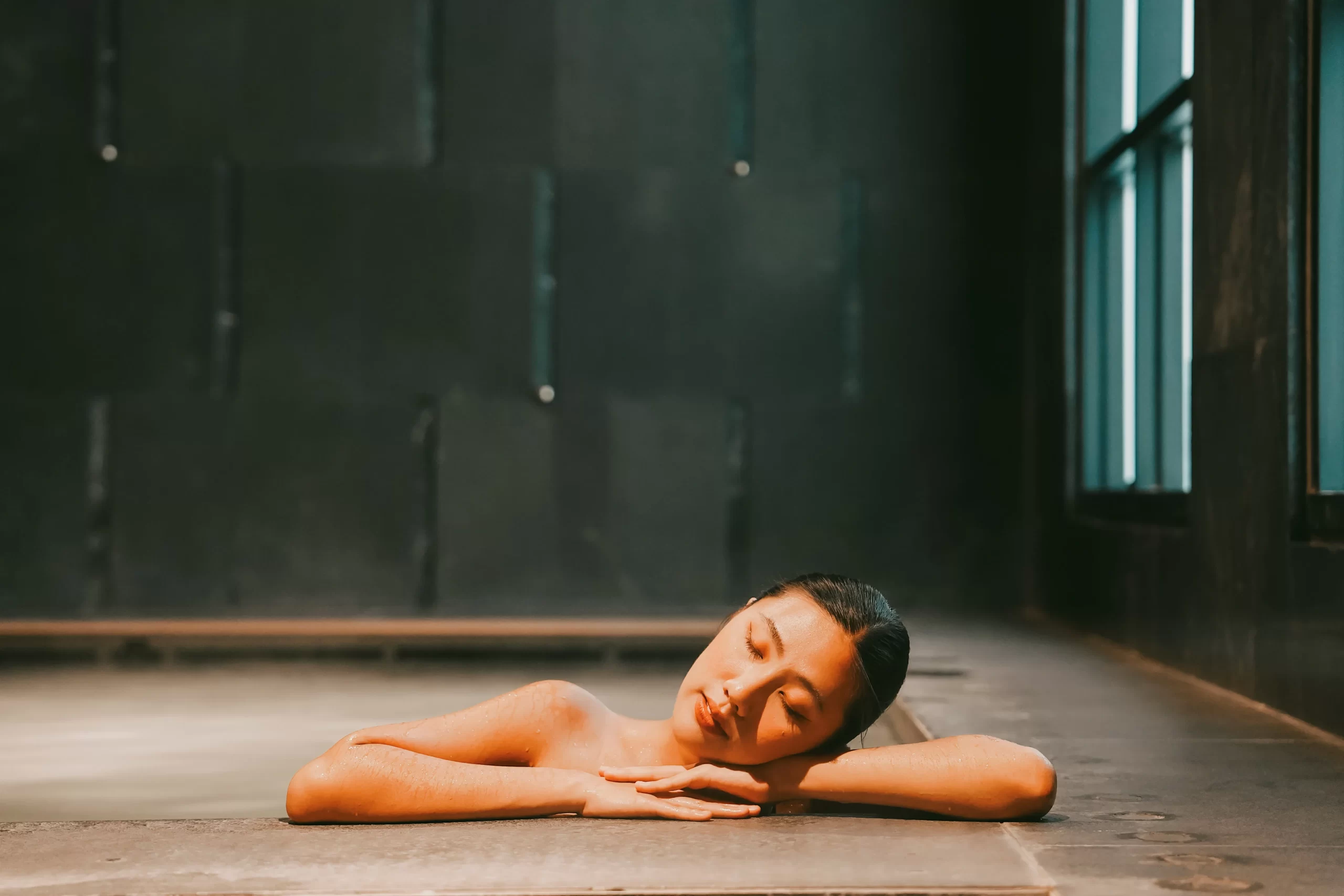
Current Published Temperature: 15°C. The cold plunge offers a sharp contrast after a warm bath, sauna or workout for guests who choose cold immersion. Enter carefully and stop if you experience pain, dizziness, unusual breathlessness or other discomfort.
4. The Sauna And Changing Facilities
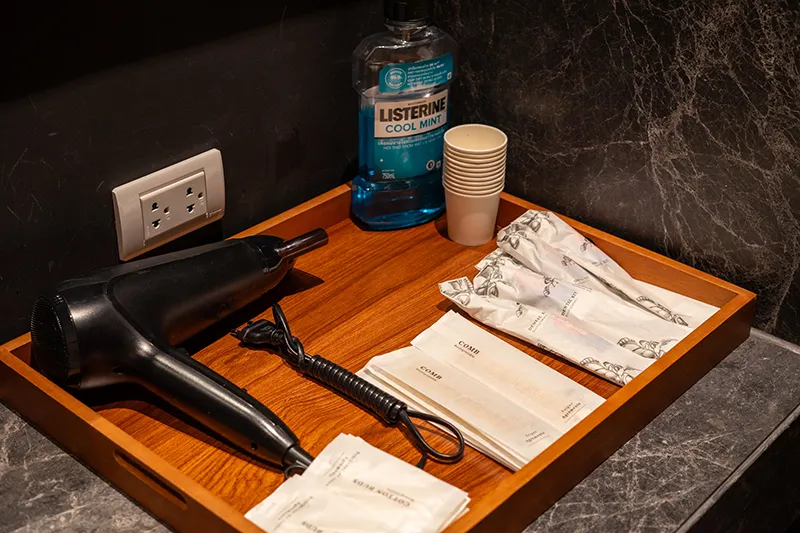
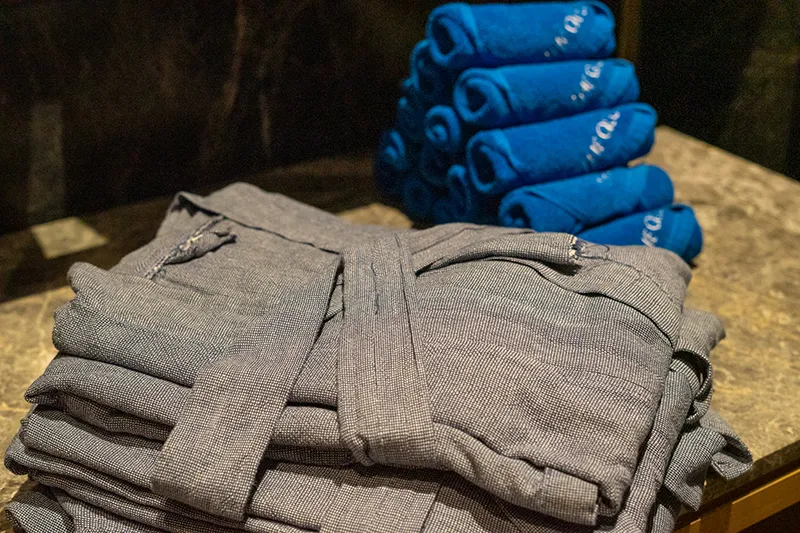
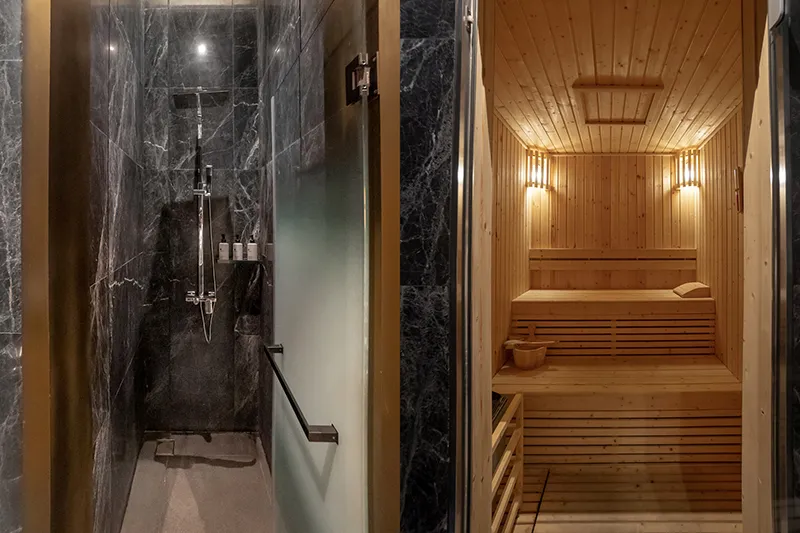
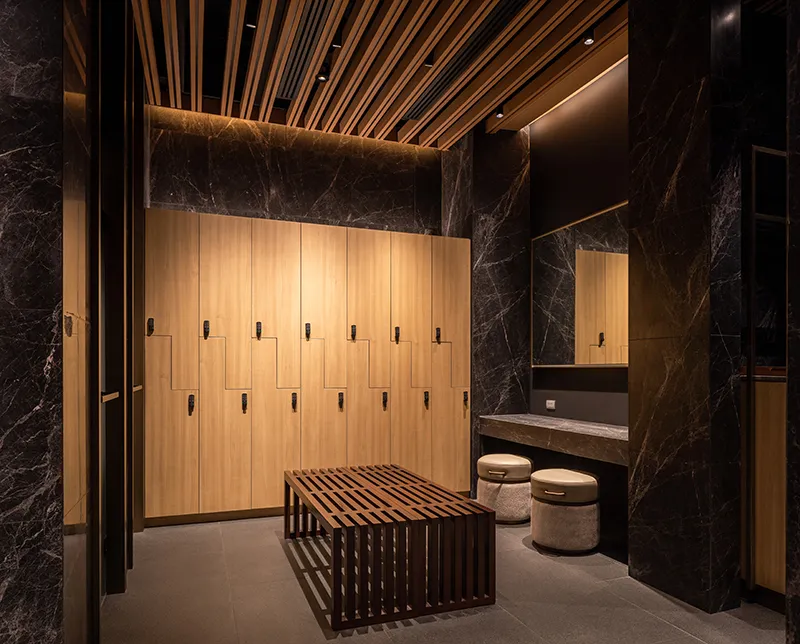
SILQ currently lists a sauna, lockers, spacious showers, towels, bath products and grooming essentials. This reduces what guests need to bring, but they should confirm current inclusions, locker arrangements and any maintenance or access restrictions.
Shared Sento Or Private Onsen: Which Experience Should You Choose?
A shared sento suits guests comfortable with communal bathing etiquette and may provide flexible access to several thermal facilities. The trade-off is that dress, privacy, tattoo and conduct rules may be stricter, while the atmosphere can vary with occupancy.
A private onsen may feel more comfortable for first-time bathers or guests who prioritise privacy. It can also be worth asking about when tattoos or mobility needs affect shared access. However, couples, children or multiple guests are not automatically permitted; capacity, dress rules, duration and fees require confirmation.
SILQ’s current direct booking benefits advertise 50% off one private onsen session per stay, subject to published terms. Because offers can change, confirm that the benefit applies to the selected room and rate before payment.
How Hot And Cold Bathing Can Support A Recovery Routine
For travellers, “recovery” can mean slowing down rather than seeking a clinical outcome. A warm soak may mark the transition from activity to rest, while a sauna or carefully chosen cold plunge can become part of a personal post-training routine.
Responses to heat and cold vary. Hydrate, avoid alcohol before bathing, follow posted guidance and leave if dizzy or unwell. Do not treat discomfort as evidence that a routine is working. Guests with relevant health concerns should obtain appropriate advice.
At SILQ, several options sit in one setting. Guests can train at The Qlub Gym, choose a thermal bathing experience, then use The Qlub Swimming Pool or lounge without adding another journey.
How An Onsen Experience Fits Into A Bangkok City Stay
An onsen-style experience is useful when it fits the existing schedule. A morning soak can precede a slower Sukhumvit day, an evening visit can follow sightseeing or meetings, and fitness travellers may prefer a session after training.
An in-hotel facility reduces travel in a city where heat, traffic and multiple connections can already fill the day. Traditional Thai massage may also be arranged through SILQ upon request, subject to therapist availability, advance confirmation and charges, but it remains secondary to the Sento experience.
Questions To Ask Before Booking A Hotel With Onsen In Bangkok
Before booking a hotel with an onsen or sento in Bangkok, confirm exactly what is included with the selected room rate. Shared sento access may be included, while a private onsen session may require advance booking and an additional charge. Current opening hours, last-entry times and planned maintenance closures should also be checked for the dates of the stay.
Privacy and etiquette policies vary between properties. Guests should clarify whether shared bathing areas are gender-separated, whether swimwear is permitted and how the hotel manages tattoos, age restrictions and access for children. Anyone considering a private session should also confirm how many guests may use the room and whether couples or families can attend together.
Practical facilities are equally important. Confirm whether towels, lockers, showers and bath products are provided, whether non-staying visitors are allowed and which rules apply to the sauna and cold plunge. Guests with health concerns should review the property’s safety guidance and seek appropriate professional advice where necessary. Direct confirmation is particularly useful for first-time users, families and travellers choosing the hotel primarily for its wellness facilities.
Experience The Qlub Sento At SILQ Hotel & Residence
The Qlub Sento forms part of SILQ Hotel & Residence Bangkok’s eighth-floor wellness environment rather than a standalone spa treatment. SILQ currently lists a 40°C hot bath, 38°C ion bath, 15°C cold plunge, sauna, showers, lockers, towels and grooming amenities, with the gym, saltwater pool and lounge nearby.
Travellers considering a hotel with onsen in Bangkok can explore The Qlub Sento, compare SILQ rooms and suites and confirm access terms before booking. Choosing the right format – shared or private, warm or cold, morning or evening – makes the experience more comfortable and relevant to the stay.